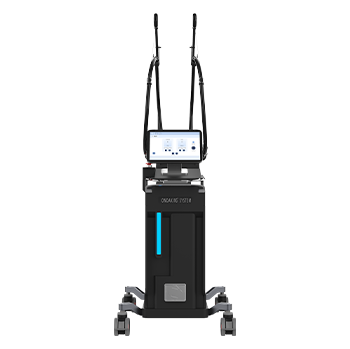

Body sculpting has become an important part of the services offered by modern beauty clinics and aesthetic centers. More clients are asking about ways to improve body shape, reduce localized fat, achieve firmer-looking skin, or improve muscle definition without undergoing surgery.
But body sculpting is not a single treatment category. Different technologies work with different tissues, and the results clients expect are not always the same.
Someone who wants to address stubborn fat around the abdomen may need a completely different treatment approach from someone who is mainly concerned about loose skin or muscle definition. This distinction matters. Choosing equipment based only on its marketing claims can create problems later, especially when the machine does not match the clinic’s actual treatment needs.
For clinic owners and beauty equipment buyers, understanding the main types of body sculpting is a practical starting point. It helps with equipment selection, treatment planning, staff training, and long-term business decisions.
What Are the Different Types of Body Sculpting?
Body sculpting treatments generally focus on three main objectives: localized fat reduction, skin tightening, and muscle toning.
Although these goals sometimes overlap, the technologies used to address them are not interchangeable.
Fat reduction focuses on localized adipose tissue. Skin tightening is concerned with skin laxity and firmness. Muscle toning, on the other hand, targets muscle activity and definition.
A clinic should identify the primary concern before recommending a particular treatment.
For example, a client with relatively stable body weight may still be unhappy with the appearance of a specific area. Another client may have already achieved their desired weight but feel that the skin around the abdomen lacks firmness.
These situations call for different consultations.
1. Fat Reduction and Body Contouring
Localized fat reduction is one of the most common reasons people explore non-invasive body sculpting.
Some areas can remain resistant to changes in overall body weight. The abdomen, waist, thighs, and other treatment areas are frequently discussed during consultations.
Different technologies approach this concern in different ways. Depending on the equipment, treatments may use energy-based systems, cooling methods, ultrasound, or other approaches.
When evaluating a fat reduction machine, clinics should pay attention to its energy delivery system, applicator design, treatment-area compatibility, cooling configuration, and operating guidelines.
A machine should not be selected simply because its advertised treatment sounds attractive. The actual configuration and intended use deserve closer attention.
2. Skin Tightening
Skin tightening is another important category of body sculpting.
Changes in skin firmness can occur for different reasons, including aging, weight changes, and reduced skin elasticity. A client may not necessarily need a fat-focused treatment.
Energy-based technologies are commonly evaluated for applications involving skin firmness and appearance.
For clinics, the key is to understand which tissue layer a particular handpiece is designed to address. Surface-level treatment and deeper tissue applications should not be treated as the same procedure.
Staff should also be familiar with treatment parameters, cooling requirements, contraindications, and the manufacturer’s operating instructions.
3. Muscle Toning and Definition
Muscle toning is often discussed alongside fat reduction, but the two objectives are different.
A client may have a relatively low level of localized fat and still want more visible muscle definition. In this situation, muscle-focused equipment may be worth considering.
EMS sculpting machines use electrical impulses to stimulate muscle contractions. Their operating principles differ from technologies designed primarily for fat reduction or skin tightening.
Clinics should explain this distinction clearly during consultations. Muscle stimulation does not automatically replace a fat-reduction treatment or a skin-tightening procedure.
The treatment plan should reflect the client’s actual goals rather than trying to make one machine solve every concern.

Different Types of Body Sculpting How to Choose the Right Technology for Different Body Goals
How Do Different Body Sculpting Technologies Work?
Understanding the technology behind each treatment helps clinics avoid choosing equipment based on appearance or advertising alone.
How Does an EMS Sculpting Machine Work?
An EMS sculpting machine uses electrical stimulation to trigger muscle contractions.
This makes it relevant to treatment discussions focused on muscle activity and definition. Before introducing an EMS device, clinics should consider the intended treatment areas, applicator design, adjustable controls, operating procedures, and staff training requirements.
There is also an important business consideration.
An EMS machine should fit into the clinic’s existing service structure. Staff need to understand how to prepare clients, explain the procedure, operate the equipment, and document treatment sessions.
A well-planned treatment process is more valuable than simply adding another machine to the treatment room.
What Is the Difference Between EMS and 2.45GHz Microwave Technology?
These technologies should not be confused.
EMS works through electrical impulses that stimulate muscle contractions. A 2.45GHz microwave system uses microwave energy to deliver controlled heating to targeted tissue areas.
They have different energy delivery methods and should be evaluated according to their intended applications.
For a clinic considering both technologies, the decision should start with its treatment portfolio.
Is the priority muscle-focused treatment? Or is the clinic looking to expand its body contouring services with an energy-based platform?
There is no universal answer. The right equipment depends on the target treatment area, patient selection, available staff, and the services the clinic intends to provide.
What Should Clinics Consider Before Buying a Body Sculpting Machine?
Equipment purchasing is not just about comparing technical specifications.
A professional body sculpting machine needs to work reliably within a real treatment environment. That means considering the people who will operate it, the clients who will receive treatments, and the support available after installation.
Treatment Areas and Applicator Design
Start by identifying the areas your clinic expects to treat.
Different handpieces may be designed for different tissue depths or treatment areas. Buyers should ask manufacturers for detailed explanations of each applicator’s intended use.
Check whether the supplied configuration matches your business requirements.
Do not assume that two machines with similar names offer identical treatment capabilities.
Training and Daily Operation
Even a technically advanced machine can become difficult to use if the operating process is unclear.
Staff should receive appropriate training on equipment setup, energy adjustment, handpiece selection, cooling management, treatment records, and safety procedures.
Consistency matters. A clinic needs a treatment process that different trained operators can follow according to the manufacturer’s instructions.
Maintenance and After-Sales Support
Maintenance is easy to overlook during the purchasing process.
However, equipment downtime can affect appointment schedules and clinic operations. Before purchasing, ask about warranty coverage, spare parts, technical support, maintenance intervals, and response times.
A lower purchase price does not necessarily mean better long-term value.
A machine that is difficult to maintain or poorly supported may eventually cost more than expected.
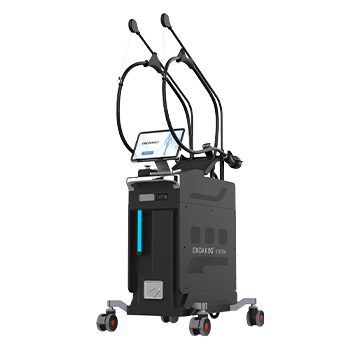
How Does 2.45GHz Microwave Technology Fit Modern Body Sculpting?
Microwave technology is one of the options clinics can evaluate when expanding their non-invasive body contouring services.
A 2.45GHz microwave body contouring system uses microwave energy and requires careful consideration of energy delivery, treatment-area selection, cooling management, and handpiece configuration.
For professional buyers, these details are more meaningful than a general statement that a device is suitable for body shaping.
ZHEONE’s microwave body contouring machine is designed around 2.45GHz microwave technology. Its configuration includes an intelligent cooling system, a smart probe, and different handpiece options.
The system is intended to support treatment discussions involving dermal and subcutaneous tissue, depending on the selected configuration and manufacturer’s instructions.
What Are the Main Features of the ZHEONE Microwave Body Contouring Machine?
When reviewing the ZHEONE system, buyers can pay attention to several technical and operational details.
2.45GHz Microwave Technology
The machine operates at a specified microwave frequency of 2.45GHz. Buyers evaluating the system should understand its energy delivery mechanism and the manufacturer’s intended treatment applications.
Adjustable Power Configuration
The stated power range is 50–300W. The appropriate operating parameters should always follow the verified device documentation, treatment protocol, and professional training requirements.
Intelligent Cooling System
Cooling is an important part of the overall operating configuration. The specified system includes a water-cooled ceramic plate, with a stated temperature of 15°C.
Clinics should confirm the actual cooling configuration and operating requirements before purchasing.
Smart Probe
The smart probe is designed to support real-time monitoring and power adjustment. Buyers should request a demonstration to understand how the probe communicates operating information and how adjustments are made during treatment.
Multiple Handpiece Options
Different handpiece configurations are available for different treatment areas and intended tissue depths.
The deep handpiece is described for subcutaneous fat and fascia applications, while the superficial handpiece is intended for deeper dermal applications. A 3mm pocket handpiece is also referenced for facial applications.
The exact handpiece configuration, indications, and operating instructions should be confirmed with ZHEONE before purchase.
For professional clinics, understanding these details is essential. Handpiece selection, treatment planning, and operator training should always work together.
How Can a 2.45GHz Microwave Beauty Machine Fit into a Clinic’s Workflow?
Adding new equipment is not simply a purchasing decision. It also changes how a clinic organizes its services.
Before introducing a microwave body contouring machine, management should consider how the treatment fits into the existing consultation and appointment process.
A practical workflow may include:
-
Initial client consultation and assessment.
-
Review of treatment suitability and relevant contraindications.
-
Selection of the appropriate handpiece and verified configuration.
-
Treatment preparation and equipment checks.
-
Operation according to the manufacturer’s instructions.
-
Documentation and follow-up assessment.
This process gives staff a clearer understanding of their responsibilities.
It also helps clinics maintain consistent records and communicate more accurately with clients.
One point deserves particular attention: technology specifications should never be presented as guaranteed clinical outcomes. Treatment suitability and expected results vary between individuals.
Professional communication builds more trust than exaggerated promises.
Why Should Clinics Compare Total Ownership Costs?
The initial equipment price is only one part of the investment.
A professional body sculpting system may involve several additional costs, including handpiece configurations, staff training, installation, routine maintenance, warranty coverage, and technical support.
Clinics should also consider the expected daily workload.
Will the equipment be used frequently? Does the configuration match the services the clinic plans to offer? Can the supplier provide replacement parts and technical assistance when necessary?
These questions help buyers assess the actual value of an investment.
For distributors, the same principle applies. A machine’s technical specifications matter, but so do manufacturer reliability, product documentation, training resources, and long-term cooperation.
Choosing the Right Body Sculpting Technology for Your Business
There is no single body sculpting technology that suits every clinic or every client.
EMS may be relevant when muscle stimulation is the primary objective. Other technologies may be considered when the clinic focuses on localized fat, skin firmness, or energy-based body contouring.
The important thing is to understand what each system actually does.
For clinics comparing professional equipment, ZHEONE’s 2.45GHz microwave body contouring machine offers a platform worth evaluating through its microwave technology, adjustable power configuration, cooling system, smart probe, and multiple handpiece options.
Rather than choosing a device based on marketing language, buyers should request technical documentation, review the configuration, arrange product demonstrations, and discuss training and after-sales support.
A good equipment decision starts with a clear understanding of the clinic’s needs. That is still the most reliable way to build a body contouring service that makes sense for both the business and its clients.
Frequently Asked Questions About Body Sculpting
1. What Are the Main Types of Non-Invasive Body Sculpting?
The main categories include localized fat reduction, skin tightening, and muscle toning. Different technologies address different treatment objectives, so clinics should assess individual needs before recommending a procedure.
2. What Is the Difference Between EMS and Microwave Body Contouring?
EMS uses electrical impulses to stimulate muscle contractions. Microwave body contouring uses microwave energy to heat targeted tissues. Their operating principles and intended applications are different.
3. What Should Clinics Look for in a Professional Body Sculpting Machine?
Important factors include energy delivery, treatment-area compatibility, handpiece design, cooling systems, adjustable controls, staff training, maintenance requirements, warranty coverage, and after-sales support.
4. What Is a 2.45GHz Microwave Body Contouring Machine?
It is a professional aesthetic equipment platform that uses 2.45GHz microwave energy. Its configuration and intended applications should be evaluated through verified technical documentation, handpiece specifications, and manufacturer training.
5. How Much Does a Professional Body Sculpting Machine Cost?
The price depends on the technology, machine configuration, number of handpieces, manufacturer, training package, warranty, and service coverage. Buyers should compare total ownership costs rather than focusing only on the initial quotation.
6. Is a Microwave Body Contouring Machine Suitable for Every Clinic?
Not necessarily. Clinics should consider their existing services, target clients, treatment-room setup, staff experience, and local regulatory requirements before purchasing.
7. Why Is After-Sales Support Important When Buying Body Sculpting Equipment?
Professional aesthetic equipment requires proper installation, operator training, maintenance, and technical assistance. Reliable after-sales support helps clinics manage equipment operation and reduce unnecessary downtime.