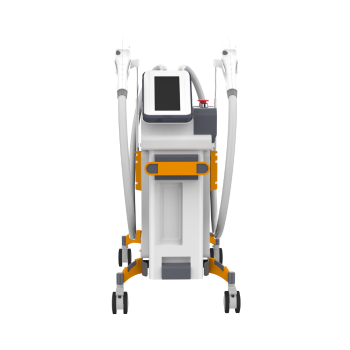
When clinic owners compare light-based hair reduction systems, the BBL-versus-diode question comes up constantly. BBL is often grouped with IPL, and both are broadband photonic technologies, but they work differently from diode laser platforms. If you’re about to spend on equipment, the comparison that matters isn’t marketing names — it’s what each machine actually does with your patients’ skin types and hair.
What Is BBL Hair Removal?
BBL, short for BroadBand Light, is a derivative of IPL. It delivers non-coherent, broad-spectrum light that can be filtered to target the melanin inside hair follicles. Because you can swap filters, one BBL system handles several aesthetic treatments beyond hair removal.
The mechanism is simple: melanin in the follicle absorbs the filtered light, converts it to heat, and damages the hair growth structure. What you can’t assume is that two machines with the same label behave the same way. Before buying, verify each unit’s spectrum, pulse architecture, fluence range, cooling mechanism, and approved clinical indications. A product name or a sales page doesn’t guarantee results.
Core Technical Difference: BBL vs Diode Laser
A diode laser is a true laser. It emits coherent, concentrated light at one or a few fixed wavelengths — the common hair removal options are 755nm, 808nm and 1064nm. With the right parameters and integrated sapphire contact cooling, it achieves selective photothermolysis: heating the follicular pigment while protecting the epidermis.
The practical difference comes down to this:
- BBL: non-coherent, broad-spectrum filtered light, an IPL-family multi-functional platform.
- Diode laser: monochromatic, focused laser beam, engineered primarily for targeted hair reduction.
They aren’t interchangeable. Patient assessment, skin prep, test spots, parameter selection and clinical endpoints must each follow the specific device’s official protocol.
IPL, BBL: Clarify the Terminology Confusion
A lot of buyers search “IPL laser vs BBL,” and most of that is a naming problem. IPL is a broad technology category; BBL generally refers to a branded broadband light platform.
A label tells you less than the machine’s actual behaviour. When you compare units, look at spectral output, filter sets, pulse control, cooling performance, and the standard treatment workflow. On any vendor page, ask for specifics: light source, wavelength/filter range, pulse width, spot size, cooling. Also weigh maintenance workload and how much operator training each system needs. Those details decide whether the device fits your patient profile.
Clinical Benefits of Diode Laser Hair Removal
Diode lasers give you high tissue selectivity, consistent results, and repeat sessions that stay predictable. You choose the wavelength according to skin type, hair thickness and colour, plus the treatment area and the concern you’re correcting. Built-in cooling doesn’t mean you can simply raise the energy; there’s still a safe ceiling.
If hair removal is your core service, a diode laser delivers stable, predictable outcomes with a standardised protocol. BBL removes hair too, but its real strength is multi-modality — swapping filters lets you add photorejuvenation and other skin treatments on the same handpiece.
When evaluating equipment, focus on operating metrics: treatment speed, handpiece comfort, inter-shot cooling interval, built-in patient data storage, consumable cost, and how quickly staff can learn the machine.
Patient Screening, Safety & Clinical Documentation
Screening is mandatory before any light-based hair reduction treatment. Review tanning history, Fitzpatrick skin type, hair colour and thickness, and current medications. Epidermal melanin competes with follicular melanin for light absorption, and the more epidermal pigment, the higher the pigmentation risk.
Diode lasers can cause temporary erythema, perifollicular oedema, discomfort, or pigment shifts. Check contraindications before every session, and keep test spot photos and endpoint documentation so results stay consistent from one visit to the next.
Document consultations, treated areas, baseline photos, parameters used, cooling method, test spot reaction, and aftercare instructions. Make sure patients understand that mild perifollicular reactions are normal, and tell them to contact you if they develop worsening pain, blisters, swelling, or abnormal discolouration. Good records support before/after comparison and let you adjust the treatment plan.
Is Diode Laser Hair Removal Permanent?
No professional light-based system can promise 100% lifelong removal of every hair. Trained clinicians using quality diode lasers achieve long-term hair reduction.
Hair grows in independent cycles, and only a portion of follicles are in the active growth phase at any time — that’s why multiple sessions are required. Hormone levels, hair colour and texture all affect response, and some body areas respond far better than others.
BBL works on the same hair contrast, suitable hair length and precise settings. Regrown hair usually comes back finer and lighter, and touch-up sessions are part of the picture. Set expectations honestly; overpromising permanent results helps no one.
Clinic ROI Evaluation for Hair Removal Devices
Build the ROI model on numbers, not vendor promises. Include utilisation rate, service pricing, staff time, room occupancy, consumables, maintenance, cooling upkeep, operator training, warranty, financing terms, and local regulatory compliance costs. Run conservative, baseline and high-utilisation scenarios.
A low upfront price can still be a poor investment if downtime, slow service, or long staff training eats into booking capacity.
Manufacturer support matters most at high utilisation. ZHEONE, a professional aesthetic equipment manufacturer, manages full production quality control and its own supply chain, and offers OEM & ODM for laser and photonic devices. After-sales coverage includes warranty, technical support, training materials, preset clinical parameters, and fast response to technical queries. The value of reliable vendor support is less downtime and steadier service quality.
FAQ
Q: Is BBL the same as IPL?
A: BBL belongs to the IPL photonic technology family, but not all IPL machines perform equally. Compare light source, filters, pulse duration, cooling and clinical indications between different BBL and IPL hair removal devices.
Q: Can clinics advertise permanent hair removal?
A: Avoid absolute permanent claims. Communicate long-term hair reduction, explain hair growth cycles and variable outcomes, and be clear that maintenance sessions are needed. Qualify every marketing statement instead of making unsubstantiated promises.
Q: What should clinics verify before purchasing hair removal equipment?
A: Light source, wavelength/filter range, cooling performance, treatment recording capability, operator training, warranty and service, clinical documentation workflow, and total cost of ownership. That takes you from a feature comparison to a real equipment evaluation.