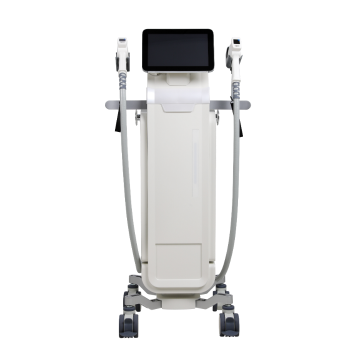
Hair removal treatments used to take forever. Anyone who worked in aesthetics ten years ago probably remembers long appointments, inconsistent results, and clients complaining halfway through sessions. Technology has changed a lot since then, especially with the rise of diode laser systems.
These days, many clinics prefer diode laser platforms not only because they remove hair effectively, but because they make treatments more practical on a day-to-day level. Faster sessions, smoother operation, less downtime between appointments — all of that matters in a real clinic environment.
A good diode laser hair removal system is basically designed around efficiency. Not just marketing-style “efficiency,” but actual workflow improvement that technicians notice immediately.
The Speed Difference Is Obvious in Large Areas
One of the first things operators usually notice is how much faster larger treatment areas become.
Back treatments, full legs, chest, shoulders — those areas can eat up a schedule if the equipment is slow. Older systems often required very methodical stamping movements, and the process felt repetitive for both the client and the practitioner.
Modern diode laser systems usually work with larger spot sizes and quicker pulse repetition. That combination alone can cut treatment times down significantly.
For busy clinics, this matters more than people outside the industry realize. Saving even 15 minutes per client adds up quickly over a full day.
Continuous Motion Makes Treatments Feel Smoother
A lot of newer diode systems use what many technicians call “in-motion” treatment. Instead of firing one isolated pulse at a time, the handpiece glides continuously across the skin.
Clients tend to like this more because it feels less aggressive. Practitioners like it because the workflow feels natural and easier to control.
It also reduces the chances of missing small sections accidentally. That sounds minor, but uneven coverage is one of the common reasons clients return saying certain patches still grow faster than others.
Cooling Technology Quietly Changes Everything
Cooling systems honestly do more for treatment efficiency than most marketing brochures explain.
Without proper cooling, practitioners have to slow down constantly to check skin reactions or reduce discomfort. Strong cooling lets the operator maintain stable energy settings while keeping the treatment comfortable enough for the client.
Some systems use sapphire contact cooling, while others combine TEC cooling or air cooling methods. Either way, better skin protection usually means:
- smoother sessions
- fewer interruptions
- better client tolerance
- more confidence using higher settings
That directly affects treatment speed and consistency.
Better Hair Targeting Means Fewer Repeat Visits
Diode lasers are known for penetrating deeper compared to many IPL systems. That makes a noticeable difference on coarse hair.
Areas like the bikini line, underarms, or male beard regions often respond better because the laser energy reaches deeper follicles more effectively.
When follicles absorb energy properly during earlier sessions, clinics often see stronger reduction patterns sooner. Clients notice progress faster, which usually improves satisfaction and treatment compliance.
Nobody enjoys paying for endless maintenance appointments.
It Works Well Across Different Skin Types
This is another reason diode systems became so popular globally.
Older laser technologies sometimes created limitations for darker skin tones because epidermal melanin competed with the follicle for light absorption. Modern diode platforms handle this much better when parameters are adjusted correctly.
A lot of manufacturers now use combined wavelengths like:
- 755nm
- 808nm
- 1064nm
That gives practitioners more flexibility depending on hair thickness and skin condition.
For clinics, versatility is important. They do not want separate machines for every client category.
Reliability Matters More Than People Think
One thing clinic owners talk about privately is machine stability.
A system may look impressive during demonstrations, but if it overheats constantly or requires maintenance every few months, efficiency disappears quickly.
Good diode laser systems are usually valued because they can handle high treatment volumes consistently. Stable output and durable handpieces make everyday operation easier.
In real-world clinic settings, reliability affects profitability almost as much as treatment results do.
Clients Care About Time Too
Most clients today want treatments that fit into normal schedules.
They do not want to spend half a day at a clinic for hair removal anymore. Faster appointments make treatments easier to commit to, especially for professionals with busy routines.
That convenience factor quietly drives repeat business.
A treatment that takes 20–30 minutes feels much easier to continue than one stretching close to two hours.
Why Diode Laser Systems Continue Growing in Popularity
There are plenty of hair removal technologies on the market, but diode laser systems continue to dominate many clinics because they balance multiple things well at the same time.
They are fast enough for high-volume clinics, effective enough for long-term reduction, and comfortable enough that clients actually return for follow-up sessions.
That combination is hard to beat.
As laser technology keeps improving, efficiency will probably become an even bigger selling point than raw power alone.
FAQ
Is diode laser hair removal suitable for sensitive skin?
In many cases yes, especially when the system has strong cooling technology and proper energy adjustment.
Why do clinics prefer diode lasers over IPL?
Diode lasers generally provide more focused energy targeting and often deliver more consistent long-term hair reduction.
Does treatment speed depend on the machine?
Absolutely. Spot size, pulse frequency, cooling performance, and handpiece design all affect how quickly treatments can be completed.
Can diode lasers treat thick hair effectively?
Yes. Diode systems are especially effective on coarse and deeply rooted hair.
Are faster treatments less effective?
Not necessarily. Advanced systems are designed to maintain sufficient energy delivery while improving workflow efficiency.
How long does a typical session take?
Small areas may take only a few minutes, while larger areas like full legs or back treatments can vary depending on the equipment and treatment settings.