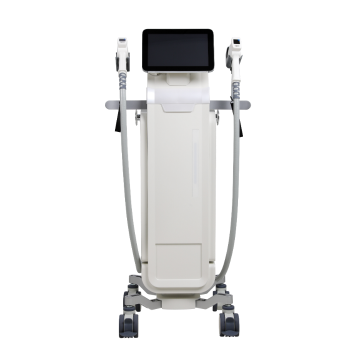
Diode laser hair removal delivers safe, consistent results for dark skin when administered with tailored protocols and skilled operation. Safety cannot be guaranteed by wavelength alone — it relies on a comprehensive assessment of individual client factors, precise parameter calibration, appropriate cooling strategies, and standardized aftercare guidance. Multiple variables influence thermal exposure to the epidermis, including baseline skin tone, recent sun or tanning exposure, hair pigmentation, treatment location, ongoing medications, and the technical proficiency of the practitioner.
For aesthetic clinics, equipment distributors, and private-label partners, the real measure of a diode laser system lies not in marketing claims, but in day-to-day clinical performance. A reliable device delivers repeatable treatment outcomes across every session, supports accurate client record-keeping, and empowers clinical staff to make careful, data-driven decisions for each patient visit.
Why Is Diode Laser Hair Removal a Suitable Option for Dark Skin?
How does epidermal melanin impact safety risk?
Laser hair removal works on the principle of selective photothermolysis: light energy is absorbed by melanin in the hair shaft, converted to heat, and directed to damage the hair follicle. Darker skin naturally contains higher levels of epidermal melanin, which competes with the hair follicle for light absorption, raising the risk of epidermal heat damage. This risk is amplified by recent tanning. For this reason, a documented consultation and mandatory test spot are far more reliable than applying a one-size-fits-all preset to every client.
Expected normal responses include transient warmth, mild erythema, and perifollicular edema. Graying or whitening of the skin, blistering, persistent burning sensation, or rapidly escalating pain are abnormal endpoints. Treatment must be paused immediately to evaluate contact pressure, cooling function, skin reaction, and parameter settings.
What makes 808 nm diode laser a widely referenced choice for darker skin tones?
The 808 nm
diode laser strikes a practical balance between melanin absorption and tissue penetration depth. Compared with shorter-wavelength lasers, it delivers energy deeper into the dermis to target follicles, while reducing energy absorption in the superficial epidermis. When configured with appropriate pulse width, fluence, spot size, contact pressure, and cooling, an 808 nm diode system is a viable option for clients with Fitzpatrick skin types III–V.
For clients with Fitzpatrick type VI skin, fresh tanning, or a history of pigmentary disorders, a more conservative treatment plan or alternative wavelength strategy may be required. No single wavelength eliminates the need for proper client screening, test spots, and trained clinical judgment.
What Pre-Treatment Preparation Improves Safety and Outcomes for Dark Skin?
What client information should clinics document upfront?
Thorough pre-treatment assessment starts with screening for recent sun exposure, tanning history, photosensitizing medications, active skin irritation, infection, and recent cosmetic procedures. Clinics should also formally record skin type, hair diameter, treatment area, contraindications, and baseline photographs. Hair should be shaved prior to treatment per clinic protocol — waxing or plucking is not recommended, as the pigmented follicle must remain intact to act as the laser target.
What precautions should clients follow before their appointment?
Clients must follow provider instructions regarding sun protection, shaving protocols, skincare routines, and topical product use. They should fully disclose any prescription or over-the-counter medications, recent tanning, or history of abnormal pigmentation. A thoroughly cleansed treatment area and a pre-treatment test spot are especially critical for clients with darker skin or recent tanning, where safety margins are narrower.
How to Manage Comfort and Minimize Side Effects During Diode Laser Treatment?
Is diode laser hair removal inherently painful?
Discomfort is one of the most common client concerns. Most individuals describe a brief, warm snapping sensation or mild prickling during pulses. Overall comfort varies by treatment area, hair thickness, and individual pain tolerance. Intensifying or persistent pain is never a sign of effective treatment — it is a warning sign that requires an immediate safety check. Topical anesthetics may be used in accordance with local clinic policies, but excessive numbing can mask important pain feedback that protects against epidermal injury.
Which device settings and cooling features matter most for dark skin?
A conservative starting fluence, appropriately matched pulse width, effective sapphire contact cooling, and consistent pulse overlap are key to managing epidermal heat buildup. Operators must maintain full, even contact with the handpiece, avoid dwelling on a single spot, and assess skin response before incrementally increasing energy. A professional diode laser system should offer transparent, adjustable control over these variables, rather than locking clinicians into inflexible preset programs.
What are the common side effects, and how should they be managed?
Common, short-lived side effects include localized warmth, tenderness, temporary redness, and perifollicular swelling. Less common adverse events include burns, blistering, post-inflammatory hyperpigmentation, hypopigmentation, and paradoxical hair growth. Risk factors include recent tanning, excessive fluence, inadequate cooling, uneven pulse overlap, and unaddressed contraindications.
Standard aftercare includes gentle cleansing of the treated area, consistent broad-spectrum sun protection, and avoidance of excessive heat or abrasive friction in the short term. Clients who experience prolonged pain, blistering, or noticeable changes in skin pigmentation should be evaluated by a clinical professional without delay.
What Do Valid Before-and-After Results Demonstrate?
How should clinics document diode laser hair removal outcomes?
Credible before-and-after documentation requires consistent lighting, camera distance, body positioning, treatment intervals, and hair growth conditions. Meaningful outcome tracking evaluates changes in hair density, regrowth rate, hair texture, skin reactivity, and pigment status over the course of treatment.
Why are multiple treatment sessions standard?
Hair follicles cycle through anagen (growth), catagen (transition), and telogen (resting) phases, and laser energy is most effective on follicles in the active anagen phase. For this reason, a series of sessions is standard practice. Early shedding may be visible after a single treatment, but sustained hair reduction becomes apparent only across a full, planned treatment course. Session spacing varies by body area, growth cycle length, and clinical judgment.
Diode laser hair removal is designed to deliver long-term hair reduction, not guaranteed permanent removal in one visit. Standardized record-keeping allows clinics to detect pigmentary changes or unexpected adverse reactions early.
Key Equipment Factors for B2B Buyers to Evaluate
Can a diode laser system maintain consistent performance all day?
True reliability is proven through back-to-back clinical treatments, not just showroom demonstrations. Buyers should verify output consistency across extended use, cooling performance during continuous operation, and handpiece ergonomics for all-day use. Calibration protocols, maintenance accessibility, spare parts availability, training support, warranty terms, and service response time all contribute to the total commercial value of a system.
What technical specifications should be included in a purchase review?
Buyers should compare adjustable parameter ranges, chiller cooling capacity, interface safety features, consumable life expectancy, electrical requirements, and model-specific compliance documentation. 808 nm diode laser technology provides a solid framework for supplier discussions, and a structured evaluation checklist helps buyers frame operational and clinical requirements.
What ZHEONE Delivers for Clinics and Distribution Partners
How do we support diode laser equipment projects?
At ZHEONE, we partner with clinics, distributors, and private-label brands to deliver tailored aesthetic equipment solutions, including
808 nm diode laser configurations and multi-wavelength platform options. We start every project by understanding your target market, clinical use case, expected daily patient volume, preferred wavelength package, regional plug and power standards, training needs, and long-term service expectations.
What details can buyers request from our team?
We encourage buyers to evaluate our products by exact model and configuration, rather than broad portfolio claims. Our team can provide in-depth discussion of output stability, cooling system capacity, parameter adjustment ranges, regulatory documentation, warranty coverage, maintenance support, and market-specific compliance requirements.
Frequently Asked Questions
Q: Is diode laser hair removal safe for dark skin?
A: The procedure can be safely performed for suitable candidates when skin type, tanning history, hair characteristics, treatment parameters, cooling technology, test spot protocols, and operator training are all evaluated together. No single wavelength can guarantee automatic safety for every client.
Q: What steps reduce the risk of side effects from diode laser hair removal?
A: Follow your clinic’s pre-treatment preparation and post-care instructions closely. Disclose all current medications and any recent tanning to your provider. Always complete a test spot when recommended. Pause treatment immediately if you experience sharp pain, blistering, or unusual changes in skin color during the session.
Q: What should a clinic verify before purchasing an 808 diode laser?
A: Start by confirming the exact wavelength configuration of the device. Review the adjustable pulse width and fluence ranges, evaluate cooling performance and long-term output stability, and confirm the scope of training and after-sales service support. Also verify warranty terms and all required regulatory compliance documents, and ensure the system is sized to match your clinic’s daily patient volume.