Microneedling isn’t just another facial. It’s a clinical-grade reset for your skin. By using ultra-fine needles to spark a wave of “controlled trauma,” the procedure forces your body to hit the panic button—in a good way. This triggers a massive surge of collagen and elastin, effectively remodeling your skin texture from the inside out.
But then comes the part nobody likes: the peeling. Most patients freak out when they see their skin start to flake, but honestly? Think of it as a “cellular purge.” It is the physical evidence that your old, damaged cells are being evicted to make room for a fresh, glowing layer. If you aren’t peeling, your skin isn’t turning over. It’s that simple.
Typically, the shed kicks in around day three and wraps up within a week. How intense it gets depends entirely on your own biological pace and how deep your practitioner went.
To maximize the results, post-care is the whole game. If you mess up the recovery, you mess up the glow. Keeping your hands off and your skin drenched in moisture is non-negotiable.
Survival Rules for the Peeling Phase:
-
Do NOT pick. Seriously. Tearing away loose skin is the fastest way to invite permanent scarring or hyperpigmentation. Let it fall off when it’s ready.
-
Sunscreen is your new religion. Your fresh skin is hyper-vulnerable to UV damage. One unprotected lunch date can ruin $500 worth of treatment.
-
Strip back your shelf. Put the Retinols and acids in the drawer. Your skin needs a break, not a chemical battle.
What Exactly Is This Tech?
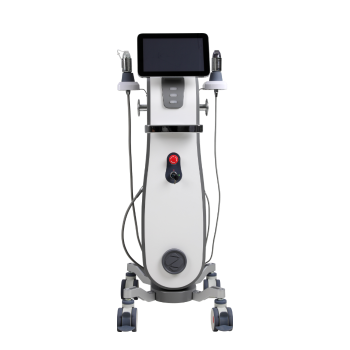
Think of microneedling as a “biological wake-up call.” It uses a specialized device to create thousands of micro-channels. It sounds intense, but it’s a calculated way to trick your dermis into producing the proteins that keep you looking firm and bouncy.
This isn’t just for wrinkles; it’s the “gold standard” for a laundry list of skin issues:
-
Stubborn acne scars that typical facials can’t touch.
-
Enlarged pores that refuse to shrink.
-
Dullness and uneven tone.
While the face gets all the glory, we see incredible results on necks and hands too. Just remember: perfection is a marathon. You won’t wake up with a filter-perfect face the next morning. It’s a cumulative process.
Why the Shed?
The science is basic: out with the old, in with the new. Peeling is the manifestation of your cells turning over at an accelerated speed. As that damaged surface layer flakes away, it reveals the more resilient skin hidden beneath.
What dictates the “Shed Intensity”?
-
Your Body’s Internal Clock: Some people just heal and shed faster than others.
-
The Needle Depth: Deeper treatments mean a more dramatic shed. Period.
-
Hydration Levels: The drier your skin starts, the flakier it ends up.
The Recovery Roadmap: What to Expect
-
Immediate (Day 1-2): The “Sunburn” Phase. You’ll be red, tight, and sensitive.
-
The Great Shed (Day 3-5): This is the peak. You’ll look a bit flaky, but this is where the renewal happens.
-
The Reveal (Day 7+): Redness fades, peeling stops, and the “new” you finally takes over.
FAQ: The Quick Dirty
Q: Does it hurt? Not really. Numbing creams make the session easy, and a good moisturizer handles the post-care itch. It’s more of an “annoying tightness” than actual pain.
Q: Can I wear makeup? Give it a rest for 48 hours. Putting foundation over “open” skin is an invitation for a breakout or infection.
Q: Is it safe for all skin types? Generally, yes. Unlike some aggressive lasers, microneedling is much kinder to different skin tones when done by a pro.
The Final Verdict
Ultimately, microneedling is a journey. The peeling phase is just a temporary hurdle on the way to tighter, clearer skin. By respecting the timeline and sticking to a bland, gentle routine, you ensure those “micro-injuries” turn into major results. Be patient—your best skin is currently being built from the bottom up.