When discussing diode laser hair removal, one of the first questions clients ask is how many treatments they will need. There is no single number that works for every person. Hair grows in different stages, and the laser can only effectively target follicles that are in the appropriate growth phase. Skin type, hair thickness, treatment area, treatment settings, and the interval between visits can all affect the final treatment course.
How Many Diode Laser Sessions Are Normally Required?
Why Does Diode Laser Hair Removal Need More Than One Session?
Hair does not grow at the same speed across the entire body. Each follicle moves through the anagen, catagen, and telogen stages at different times. The anagen stage is generally the most responsive period for laser treatment because the follicle is actively producing hair and contains more pigment.
A single diode laser treatment therefore cannot affect every follicle in the same area equally. Some follicles may be active during the first visit, while others become active several weeks later. Repeated treatments allow the provider to address new growth as the hair cycle progresses.
This is why a treatment course is normally planned over several appointments rather than completed in one session.
Why Should Clinics Avoid Promising a Fixed Number of Sessions?
A fixed treatment number may sound simple when explaining a service to a client, but it does not reflect how individual hair-growth patterns vary.
For areas such as the underarms and legs, four to six treatments can often be used as an initial reference point. However, facial hair, finer hair, hormonal influences, and differences in treatment response can extend the course.
The better approach is to give clients a reasonable treatment range and then reassess the area after each visit. Visible regrowth, hair thickness, skin response, and the time between appointments provide more useful information than a predetermined number alone.
A diode laser treatment plan should therefore be treated as an ongoing clinical assessment rather than a sales promise.
What Factors Affect the Number of Diode Laser Sessions?
How Do Hair Thickness and Skin Type Affect the Treatment Course?
Hair pigment is an important target for diode laser treatment. Darker and thicker hair generally provides a stronger target than very fine or lightly pigmented hair.
Hair density also matters. A treatment area with a high concentration of follicles requires consistent coverage and careful parameter selection. At the same time, the operator must consider the surrounding skin and select settings that provide an appropriate balance between follicular targeting and epidermal protection.
Before treatment begins, the practitioner should consider skin tone, hair color, hair thickness, density, growth pattern, recent sun exposure, existing skin conditions, and other factors that may affect treatment suitability.
These observations cannot provide an exact session count. They help the provider establish a more appropriate treatment strategy.
Does the Treatment Area Change the Number of Sessions?
Different body areas have different growth patterns. Legs, underarms, bikini areas, arms, backs, chests, and facial areas may respond differently even when the same diode laser system is used.
Facial hair can be particularly variable because hormonal factors may influence growth and regrowth. Coarser hair can also respond differently from fine hair as the treatment course progresses.
The interval between treatments should allow the provider to observe new growth and determine whether another session is appropriate. Appointments that are too close together may not capture enough newly active follicles, while irregular attendance can make treatment progress more difficult to evaluate.
How Do Laser Parameters Affect Treatment Consistency?
The equipment itself is only one part of a diode laser treatment. Wavelength, pulse width, energy density, spot size, cooling performance, and operator technique all contribute to the treatment process.
These parameters should be selected according to the client’s skin and hair characteristics rather than copied from another treatment.
Consistent record keeping can also help clinics understand why one client responds differently from another. Recording the settings, treatment area, interval, skin response, and visible regrowth creates a clearer reference for future sessions.
What Does a Typical Underarm Diode Laser Treatment Plan Look Like?
Why Can Underarm Hair Respond Differently Between Clients?
Underarms are commonly treated with diode lasers because the area is relatively compact and the hair is often visible and coarse. However, the response still varies from one client to another.
Hair density, shaft thickness, skin and hair contrast, shaving habits, hormonal factors, and treatment consistency can all influence the result.
For this reason, four to six sessions can be used as a practical starting reference for underarm treatments, but the actual course should be determined by the client’s response.
The provider should explain from the beginning that the number is an estimate rather than a guarantee.
How Should a Clinic Decide Whether Another Session Is Needed?
The decision should be based on what happened during the previous treatment.
A clinic can compare photographs taken under consistent conditions, visible hair density, hair thickness, regrowth timing, skin response, and the parameters used during the previous visit.
If the reduction is limited, repeating exactly the same treatment without reviewing the situation may not be the best approach. The provider should consider whether the treatment interval, coverage, settings, technique, or other client-related factors need to be reviewed.
If the skin response is unusual or persistent, professional assessment should take priority over simply continuing the treatment schedule.
How Should Clinics Track Diode Laser Before and After Results?
What Should Be Recorded During Each Diode Laser Session?
Before-and-after photographs are more useful when they are taken under similar conditions. Lighting, camera distance, body position, treatment timing, and the area photographed should remain as consistent as possible.
The treatment record can include:
- Treatment area
- Baseline hair thickness and density
- Skin characteristics
- Device and handpiece configuration
- Treatment parameters
- Cooling method
- Client comfort
- Skin response
- Regrowth observed before the next visit
- Recommended review date
This information gives the photographs useful context. A photograph by itself cannot explain whether changes in hair growth were related to treatment settings, shaving, waxing, missed appointments, or other factors.
When Should a Diode Laser Treatment Plan Be Reviewed?
A treatment plan should be reassessed when regrowth changes significantly, when the hair becomes finer, or when the skin response suggests that the current approach needs adjustment.
Increasing energy simply to reduce the number of planned sessions is not a reliable strategy. Likewise, shortening treatment intervals does not automatically produce faster results.
The goal is to maintain an appropriate balance between treatment effectiveness, skin safety, client comfort, and consistent follow-up.
Over time, treatment records can also help clinics identify differences between operators and improve the consistency of their treatment protocols.
How Can ZHEONE Support a More Consistent Diode Laser Workflow?
What Should Buyers Check When Choosing an 808nm Diode Laser Machine?
For clinics looking for a professional diode laser machine, the wavelength is only one part of the purchasing decision.
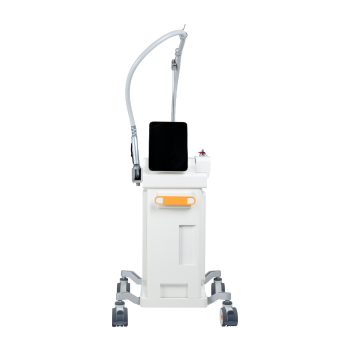
ZHEONE diode laser systems are available in different configurations, including 808nm and selected multi-wavelength systems such as 755nm, 808nm, and 1064nm, depending on the model.
Before purchasing, buyers should confirm the exact configuration offered, including the wavelength, handpiece, spot size, pulse controls, cooling system, service support, and training.
An 808nm diode laser may be suitable for a wide range of professional hair-removal applications, but the machine configuration should still match the clinic’s treatment requirements and local compliance standards.
How Does Cooling Support a Consistent Treatment Experience?
Cooling is an important part of professional diode laser operation because it helps protect the epidermis and improve client comfort during treatment.
ZHEONE diode laser systems can feature sapphire cooling technology, with different treatment heads and spot-size options available according to the selected configuration. Magnetic handpiece connections can also make replacement and daily operation more convenient.
For clinics, however, equipment features should be considered together with treatment protocols, parameter control, cleaning procedures, operator training, and maintenance support.
The machine itself does not determine how many sessions a client will need. A suitable system gives the provider better tools for carrying out a consistent treatment protocol and evaluating the response over time.
FAQ
Q: Is Diode Laser Hair Removal Painful?
A: The sensation can vary depending on hair density, treatment area, selected parameters, cooling performance, and individual tolerance. Sapphire cooling can help improve comfort, but a completely pain-free experience should not be promised to every client.
Q: How Many Diode Laser Sessions Are Usually Needed?
A: Multiple sessions are generally required because hair follicles enter the active growth stage at different times. Four to six treatments can be used as an initial reference for areas such as the underarms and legs, while finer or hormonally influenced hair may require additional assessment. The final number depends on the individual’s response.
Q: Are Maintenance Diode Laser Sessions Necessary?
A: Maintenance treatment is not automatically required at the same frequency for every client. Some people may experience later regrowth and choose additional treatments, while others may maintain their results with fewer visits. The area should be reassessed before another session is recommended.
Q: Does an 808nm Diode Laser Guarantee Fewer Sessions?
A: No. The wavelength and equipment configuration are important, but they do not guarantee a specific number of treatments. Hair characteristics, skin type, treatment parameters, treatment intervals, operator technique, and individual response all influence the course.
Q: What Is More Important Than a Fixed Session Number?
A: Consistent assessment is more useful than promising a fixed number. Clinics should monitor hair regrowth, hair thickness, skin response, treatment parameters, and the interval between visits. This allows the treatment plan to be adjusted according to the client’s actual response.